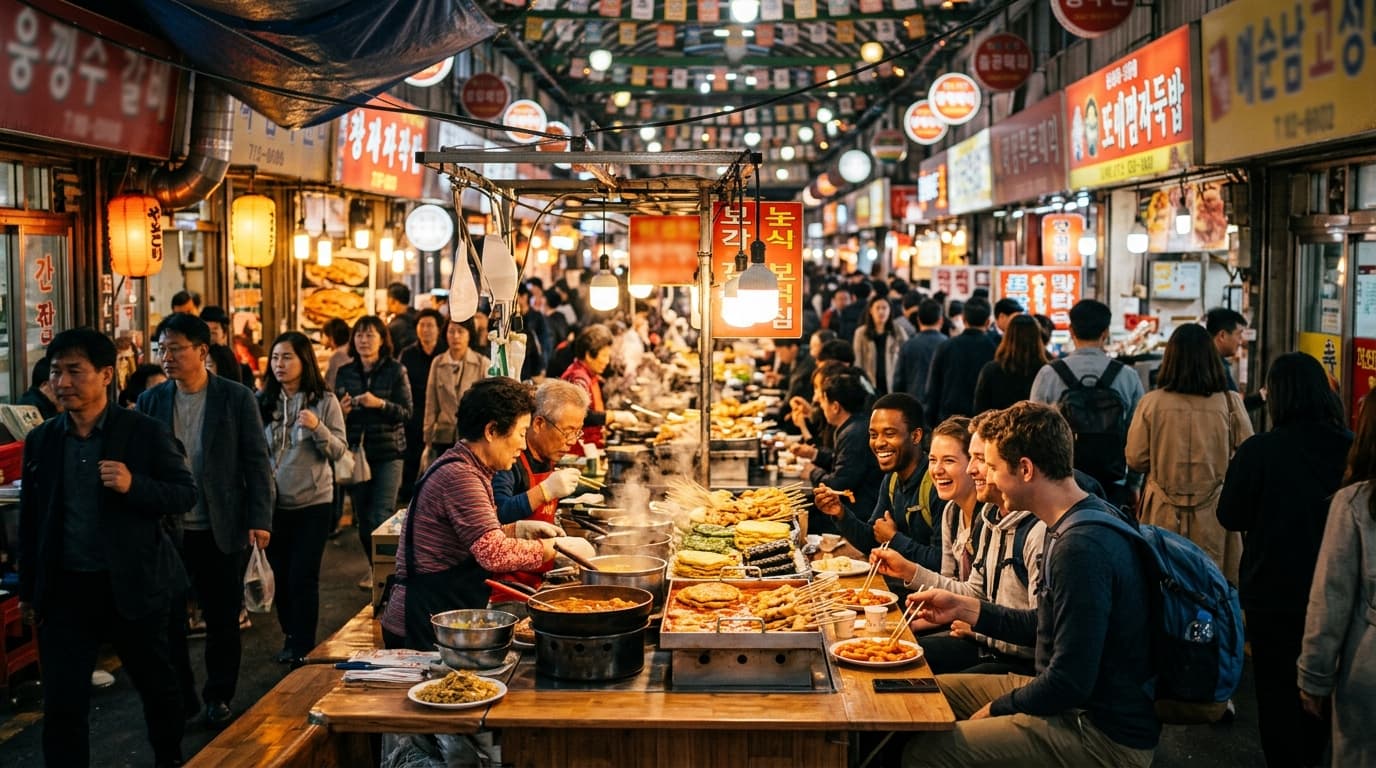

Your 2026 Guide to Seoul’s Best Traditional Markets—Street Food & Shopping in 1 Day
Seoul’s traditional markets are buzzing labyrinths of food, shopping, and hidden finds—perfect for those who want more than just the usual tourist stops. Whether you’re a first-timer or on your third Seoul trip, visiting a market like Gwangjang or Namdaemun means feasting on authentic street eats, hunting for unique souvenirs, and soaking up real local vibes. The best part? With ClassKim, you can book a tailored itinerary, get an English-speaking interpreter, and hit your next stop—like Myeongdong—without missing a beat. Here’s how to plan your market adventure with zero language stress and maximum flavour.
Quick Facts: Seoul Traditional Markets for Tourists
| Market Name | Location | Famous For | Typical Visit Duration | English Interpreter | Booking Needed? |
|---|---|---|---|---|---|
| Gwangjang | Jongno-gu | Street food, vintage | 1.5–2 hours | Via ClassKim | Only for tours/classes |
| Namdaemun | Jung-gu | Souvenirs, local eats | 1–2 hours | Via ClassKim | Only for tours/classes |
| Tongin | Jongno-gu | Dosirak lunch boxes | 1–1.5 hours | Via ClassKim | Only for tours/classes |
| Mangwon | Mapo-gu | Youthful snacks, cafes | 1–1.5 hours | Via ClassKim | Only for tours/classes |
| Noryangjin | Dongjak-gu | Seafood auctions | 1–2 hours | Via ClassKim | Only for tours/classes |
- Most markets open 9am–9pm (some food stalls close by 7pm)
- English menus rare; interpreter recommended for best experience
- Same-day bookings for guided tours/classes often possible
- Combine with nearby hotspots—Myeongdong, Insadong, Hongdae—all within 10–25 minutes by subway
What Are Seoul’s Traditional Markets? How Do They Work?
Seoul’s traditional markets are sprawling hubs where locals have shopped and snacked for generations. Unlike department stores, these markets are semi-open air, with rows of food stalls, clothing vendors, household goods, and specialty corners (think hanboks or ginseng). No need to worry about etiquette—just bring cash (or a card), snacks, and your appetite!
- Gwangjang Market: Famous for bindaetteok (mung bean pancakes), mayak gimbap, yukhoe (beef tartare), and vintage shopping.
- Namdaemun Market: Seoul’s oldest market—great for souvenirs, local accessories, and quick bites like hotteok.
- Tongin Market: Unique for its “dosirak cafe” (lunchbox cafe)—buy tokens, fill your tray with small bites from different stalls.
- Mangwon Market: Trendy snacks, bakeries, and youthful energy—often featured in K-dramas.
- Noryangjin Fish Market: Giant seafood market where you can pick live seafood and have it cooked on-site.
How it works:
- Wander freely, or join a guided food tour/class through ClassKim (English interpreter included).
- Pay vendors directly—most accept cash (KRW), some accept cards.
- Eat on the spot at communal tables or take your food to-go.
Step-by-Step: Your Traditional Market Adventure in Seoul
Here’s the typical flow when you book a market visit or food tour with ClassKim:
Book in Advance or Same-Day
- Message ClassKim on WhatsApp for available market tours, classes, or custom routes.
- Confirm your date, time, and any preferences (diet, must-try foods, shopping focus).
Pre-Arrival Prep
- Receive a digital itinerary, meeting point map (with subway exit), and interpreter contact.
- Get advice on what to bring (KRW cash, comfy shoes, tote bag for shopping).
Arrival at the Market
- Meet your interpreter/guide at the designated subway exit (e.g., Gwangjang Market, Jongno 5-ga Exit 8).
- Brief intro on market layout, must-eats, and safety tips.
On-site Experience
- Explore key food alleys and specialty shops—your interpreter handles all ordering and questions.
- Try signature dishes and shop for souvenirs or gifts.
- Flexible: pause for photos, ask about history, or request extra stops (time permitting).
Wrap-up & Next Steps
- Interpreter helps you check directions to your next spot (e.g., Myeongdong, Insadong).
- Post-visit: Receive a quick summary on what you ate/bought and English names for sharing back home.
What to Prepare Before Visiting a Seoul Market
- KRW cash: While some vendors now accept cards, cash is still king for small food stalls.
- Tote bag or backpack: For snacks and impulse buys.
- Comfortable shoes: Markets can be sprawling and crowded.
- Translation app: Optional, but ClassKim’s interpreter covers all live communication.
- Dietary needs: Let ClassKim know in advance for vegetarian, halal, or allergy concerns.
- Timing: Weekdays are less crowded; arrive by late morning for the freshest food and best photos.
Honest Caveats—What to Watch Out For
- Language Barrier: Most vendors speak little to no English. Without an interpreter, ordering can be a guessing game.
- Crowds: Peak times (lunch, weekends) can get packed—arrive early or after 6pm for a better experience.
- Weather: Some markets are partially outdoors—bring an umbrella in rainy season.
- Refunds/Returns: All sales are typically final, especially for food or small goods. Inspect items before buying.
- Accessibility: Older markets may have uneven floors and limited seating for those with mobility needs.
Realistic Expectations—What You’ll Actually Get
- Street Food Heaven: You’ll sample 5–10 different local snacks in under 2 hours.
- Souvenirs & Gifts: Find affordable, authentic items—think fans, accessories, teas, or kitchenware.
- Photo Ops: Colorful food alleys, neon signs, and lively crowds—perfect for Instagram.
- No Need to Speak Korean: With ClassKim’s interpreter, ordering and chatting with vendors is stress-free.
- Flexible Itinerary: You can combine a market trip with nearby neighborhoods—ClassKim helps time everything so you’re not rushed.
Why Book Your Market Tour or Visit with ClassKim?
- Real English Interpreter: No more “point and hope”—ClassKim sends an on-site interpreter for live translation, ordering, and cultural context.
- Transparent Booking: Clear process—just message on WhatsApp, confirm time, and receive your itinerary. No hidden fees or last-minute changes.
- Itinerary Integration: ClassKim helps you fit your market visit between other stops (like Gangnam, Hongdae, or Myeongdong) without getting lost or running late.
- Same-Day Support: Change of plans? ClassKim can often arrange last-minute bookings or adjust your route in real time.
- Post-Visit Help: Get English explanations for what you ate, bought, and how to store snacks or gifts at home.
Ready to explore Seoul’s markets without language worries? Chat with ClassKim on WhatsApp for a free consultation—booking, interpreter, and itinerary all in one step.
Sample Market Pairings—Maximize Your Day
- Morning: Gwangjang Market (food tour) → Afternoon: Insadong (teahouses, crafts)
- Late Morning: Tongin Market (lunchbox class) → Afternoon: Gyeongbokgung Palace
- Evening: Mangwon Market (youthful snacks) → Night: Hongdae (live music, bars)
- Flexible: Namdaemun Market → Myeongdong shopping (only 10 minutes by subway)
How to Book—Chat, Confirm, Go!
- Message ClassKim on WhatsApp (official account)
- Share your dates, market preferences, dietary needs
- Get your itinerary, interpreter info, and directions
- Arrive and enjoy—ClassKim handles the rest!
FAQ—Seoul Traditional Markets for Tourists
Which market is best for first-timers?
Gwangjang Market is perfect for foodies and first-time visitors—there’s a wide variety of street foods, vintage shops, and it’s easy to combine with Insadong or Dongdaemun.Can I visit a market without speaking Korean?
Yes, but you’ll get the most out of your visit with an English interpreter, especially for ordering, local trivia, and avoiding confusion. ClassKim provides on-site interpreters for a smooth experience.How long should I plan for a market visit?
Most visitors spend 1–2 hours per market. Add extra time if you want to shop or join a food class. Markets are conveniently close to major tourist areas for easy itinerary planning.Are markets open year-round?
Yes, most traditional markets operate year-round, though some stalls may close on major holidays (like Chuseok or Lunar New Year). It’s always good to check in advance.Is street food safe to eat?
Generally yes—stick to busy stalls where food turns over quickly. If you have dietary restrictions or allergies, let ClassKim know so your interpreter can help you order safely.Can I pay by card at the markets?
Some vendors accept cards, but cash is still preferred for small purchases. ATMs are available near most markets.What if I need to change my plans last minute?
Message ClassKim on WhatsApp—many bookings can be adjusted same-day, and your interpreter can help you reroute to another market or nearby attraction.
Want a seamless, English-friendly market experience? ClassKim arranges booking, interpreter, and itinerary—just message us on WhatsApp and start your Seoul food adventure!