
When to Visit: Best Autumn Months in Korea (2026 Guide & Peak Spots)
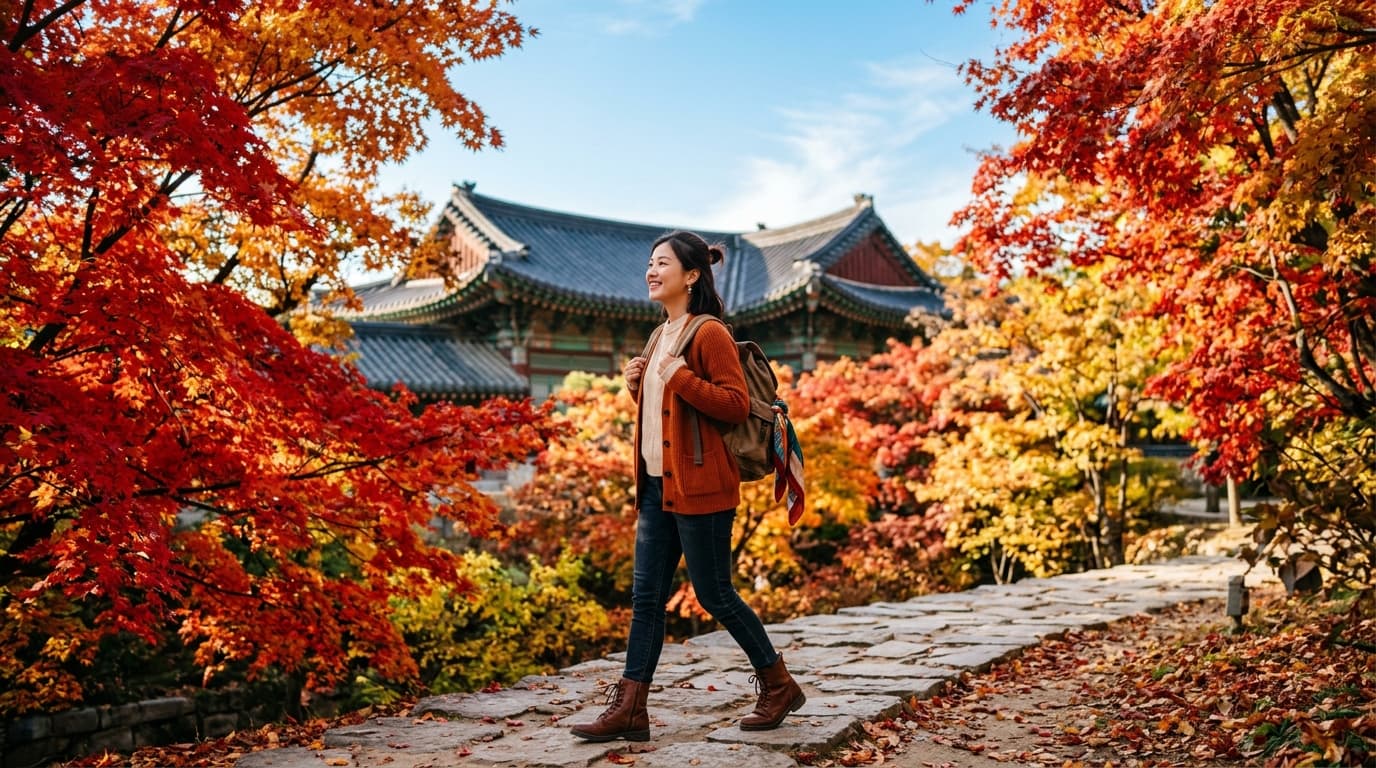
Autumn in Korea is magical—think fiery maple leaves, cozy sweater weather, and city parks transformed like a K-drama backdrop. For most travelers, late October to early November is the sweet spot: peak foliage, clear skies, and fewer crowds than summer. If you’re eyeing Seoul, Jeju, or a national park hike, timing is everything. Here’s your in-depth, no-fluff guide to making the most of autumn in Korea—plus how ClassKim takes the headache out of English bookings, local navigation, and itinerary planning.
Quick Facts: Autumn in Korea at a Glance
| Item | Details (2026) |
|---|---|
| Peak Foliage Month | Late October–Early November |
| Best Regions | Seoul, Gangwon, Jeju, Gyeongju |
| Avg. Temp (°C/°F) | 10–20°C (50–68°F) |
| Top Activities | Leaf-viewing, hiking, festivals, cafés |
| Booking Lead Time | 2–6 weeks before (Oct–Nov) |
| What’s Included | ClassKim: English interpreter, booking, itinerary support |
| Language Barrier | High—most outdoor spots are non-English |
| Visa Needed? | US/UK/AU/SG: 90-day visa waiver (as of 2024, check updates) |
1. What ‘Autumn in Korea’ Means (and Why Timing Matters)
Korea’s autumn is short but stunning. The season officially runs September to November, but the real leaf show starts in October. Here’s how it unfolds:
- Early Autumn (late Sep–mid Oct): Cool nights, green turning to yellow. Leaves just starting to change, especially in northern/mountainous regions.
- Peak Autumn (late Oct–early Nov): Maple and ginkgo explode in reds and golds—city parks, palaces, and mountain trails are at their most photogenic.
- Late Autumn (mid–late Nov): Foliage drops quickly, air is crisp, and winter’s chill starts to set in.
Why timing matters: Miss the window by a week, and you might see mostly bare branches! Plan your trip around the last week of October and first week of November for the highest chance of catching full color.
2. Korea’s Autumn Leaf Timeline: Your Month-by-Month Breakdown
Here’s how the season looks across major tourist areas (based on Korea Meteorological Administration trends):
- Late September: Foliage starts in mountains (e.g., Seoraksan, Odaesan—think Gangwon-do). Seoul is still green.
- Early–Mid October: North and highlands peak; city parks show early color. Jeju’s silver grass fields are Instagram-famous.
- Late October: Seoul, Busan, and Gyeongju reach peak color. Most palaces (Gyeongbokgung, Changdeokgung) are at their best.
- Early November: Central and southern regions (Jeonju, Daegu) catch up. Late bloom in Jeju and southern coast.
- Mid–Late November: Most leaves have fallen; cafés and mountain trails are quieter, but you’ll need a warm jacket!
Pro tip: Book activities and transport early for the last week of October—this is Korea’s busiest domestic travel week after Chuseok (harvest festival).
3. Top 5 Must-See Autumn Spots in Korea
- Seoul’s Palaces & Parks: Stroll through Gyeongbokgung’s golden ginkgo avenue or Namsan Park’s red maples after brunch in Myeongdong.
- Nami Island: 1.5 hours from Seoul—a fairytale island of poplar, maple, and riverside walks. Go midweek to dodge crowds.
- Seoraksan National Park: Take the cable car for panoramic leaf views. Hiking trails range from 30-min strolls to all-day adventures.
- Gyeongju: Ancient tombs and UNESCO temples framed by yellow gingko—perfect for history buffs and photographers.
- Jeju Island: Late October brings silver grass fields and volcanic craters ringed by scarlet leaves.
ClassKim tip: We can slot these into your itinerary based on your travel dates—just message us on WhatsApp, mention your city, and get a tailored plan with English interpreter support.
4. Step-by-Step: Booking and Navigating Autumn in Korea
If you’re worried about language, getting lost, or missing the best spots, here’s your timeline:
1. Research & Consult (2–3 Months Before)
- Check foliage forecasts (released each September by Korea Meteorological Administration).
- Message ClassKim’s official WhatsApp for a free consult in English—tell us your must-sees, and we’ll advise on the best week for your interests.
2. Book Your Essentials (4–6 Weeks Before)
- Reserve accommodation near city centers or parks—autumn weekends fill up fast.
- Secure guided tours or ClassKim-arranged day trips (leaf-viewing, hiking, city walks) with English interpreter included.
- Book transport between cities (KTX, private van) especially if you’re planning Nami Island, Seoraksan, or Jeju.
3. Arrival & On-Site (Day-of)
- Meet your interpreter or guide at the designated spot (e.g., Myeongdong Exit 6, Seoul Station).
- Get real-time updates: weather, leaf status, best photo locations.
- Enjoy your activity—your guide handles tickets, local navigation, and any translation.
4. After Your Autumn Adventure
- Receive a digital itinerary recap, photo suggestions, and local dining recs from your ClassKim team.
- Ask about post-activity care (especially for hiking or outdoor excursions—hydration, rest stops, etc.).
Chat now on ClassKim’s official WhatsApp for a personal autumn itinerary and interpreter booking.
5. What to Prepare for Your Autumn Visit
Checklist before you go:
- Travel Dates: Target late October–early November for most regions.
- Accommodation: Book ahead, especially in Seoul, Gangwon, and Jeju.
- Clothing: Layered outfits, windbreaker, sneakers or boots, lightweight scarf (temps drop at night).
- SIM/eSIM/Data: For maps and real-time updates (ClassKim can help arrange eSIM pickup at Incheon).
- K-ETA/Visa: US/UK/AU/SG can enter visa-free up to 90 days (as of 2024). Always check official updates.
- Apps: Naver Map, Kakao Metro, Papago for quick translation; ClassKim WhatsApp for live support.
Don’t stress about language: Most signage and staff at parks, palaces, and transit hubs are Korean-only. Booking with ClassKim means you’ll have an English-speaking interpreter on-site or on call.
6. Honest Caveats: What to Watch Out For
- Peak Crowds: Expect local crowds on weekends, especially in Seoul and Nami Island. Go early or midweek if possible.
- Weather Swings: Korean autumn can be sunny or suddenly rainy—pack a small umbrella.
- Fast Foliage Window: The peak color period can last just 5–10 days in a given region—schedule flexibly.
- Language Gaps: Outside of major hotels and tours, English is rare. Don’t rely on Google Translate for real-time help in remote spots.
- Refund Policies: Check for clear refund/reschedule options if weather disrupts your outdoor plans. ClassKim clarifies these before you book.
7. Realistic Expectations: What You’ll Actually Experience
- Vivid Colors: Expect golden ginkgo, fiery maple, and clean, cool air—perfect for photos and cozy café breaks.
- Festivals: Autumn brings plenty of local festivals—think night markets, lantern parades, and harvest street food. Ask ClassKim to add these to your itinerary.
- Quick Turnaround: Most autumn activities (e.g., palace strolls, mountain cable cars) can be done in 1–3 hours—leaving you free for shopping in Myeongdong or a night out in Hongdae.
- No Medical Guarantees: Leaf-viewing and hiking are low-risk, but if you have allergies or mobility concerns, let us know in advance for tailored support.
8. Why ClassKim Makes Your Autumn Trip Smoother
- English Interpreter On Site: No guessing games—get real explanations, not just printed guides.
- Same-Day Booking Available: Autumn is busy, but we can often secure last-minute spots, especially for private tours.
- Itinerary Planning: Fit leaf-viewing around your shopping, beauty appointments, or café must-visits.
- Refund Support: Transparent policies and help with any changes (weather, illness, etc.).
- One-Tap WhatsApp Contact: No app signups, no Korean phone number needed—just message us and get a real human reply within hours.
Ready to secure your autumn adventure? Chat on ClassKim’s official WhatsApp for booking, interpreter help, and a custom itinerary—whether you want to see Seoul’s palace leaves or hike Seoraksan, we’ll make it easy.
FAQ: Autumn in Korea (2026 Edition)
- When is the best month to see autumn leaves in Korea?
Late October to early November is peak foliage in most regions, including Seoul and Jeju. Check forecasts each September for exact dates. - Do I need to book tours or tickets in advance for autumn?
Yes, especially for popular leaf-viewing spots, trains, and guided tours. Weekends and peak weeks fill up fast. - Is English spoken at major autumn attractions?
Only at some city museums and hotels. Most parks, palaces, and hiking spots are Korean-only—book with ClassKim for interpreter support. - What should I wear for autumn weather in Korea?
Dress in layers: light sweater, windbreaker, comfortable shoes, and a scarf. Nights can drop below 10°C (50°F). - Can I visit multiple regions for autumn leaves in one trip?
Yes, with careful planning—Seoul plus a day trip to Nami Island or Gangwon is popular. Ask ClassKim for a tailored route. - What if I miss the peak foliage week?
You’ll still enjoy the cool weather, local festivals, and late-blooming spots (Jeju is latest). ClassKim can recommend the best alternatives. - How do I get a free consultation in English?
Message ClassKim’s official WhatsApp—get itinerary advice, live interpreter options, and booking help, all in English.