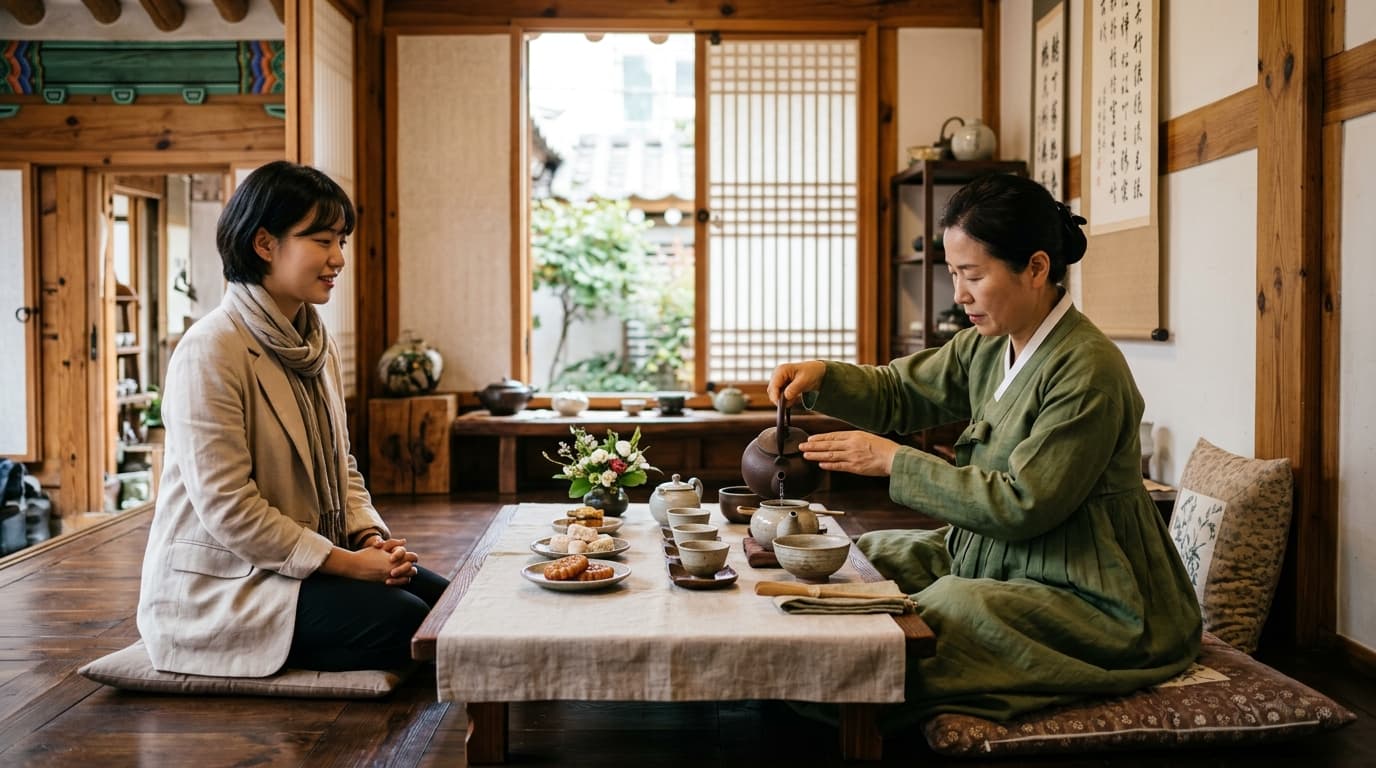

You can join a genuine Korean traditional tea ceremony in central Seoul (Insadong or Bukchon) in about 60–90 minutes, guided in English by a local tea master and interpreter. Book via ClassKim for instant confirmation, same-day schedule options, and an English-speaking guide who’ll explain every step, from tea selection to etiquette. You’ll walk away with hands-on experience, real insight into Korean culture, and time to explore Myeongdong or Gyeongbokgung Palace the same afternoon. For a smooth, language-supported booking and itinerary, just message ClassKim on WhatsApp.
Quick Facts: Korean Traditional Tea Ceremony in Seoul
| Duration | 60–90 minutes |
|---|---|
| Locations | Insadong, Bukchon, Jongno |
| Language Support | English interpreter (in-person) |
| What’s Included | All teas, snacks, utensils, guide |
| Booking Timeline | Same-day or advance (via ClassKim) |
| What to Prepare | Arrive 10 min early, casual attire |
| Accessibility | Most venues accessible, ask ahead |
| Post-ceremony | Free time to explore nearby sights |
What Is a Korean Traditional Tea Ceremony?
Korean traditional tea ceremonies, known as darye, are a peaceful, ritualized way to enjoy tea while learning about Korean history, etiquette, and hospitality. Unlike Japanese matcha ceremonies, Korean tea ceremonies focus on harmony and natural beauty. You’ll be seated in a hanok (traditional house) or tea room, guided through each stage—from greeting, tea selection, brewing, to tasting—using authentic Korean teas (like green, jujube, or omija) and handmade ceramic ware.
A tea master typically leads, with an English interpreter explaining:
- The meaning behind each gesture
- How to pour and receive tea politely
- The cultural context (Confucian roots, seasonal customs)
- Tasting notes for each tea
It’s hands-on and interactive—expect to brew and taste multiple teas, sometimes paired with traditional sweets.
Step-by-Step Timeline: What to Expect (Book to Aftercare)
- Book via ClassKim WhatsApp
- Message ClassKim on official WhatsApp for live availability, preferred time, and location options.
- Confirm your booking and language needs; get instant confirmation.
- Arrive at Venue (10 min early recommended)
- Most tea houses are in Insadong or Bukchon (central Seoul, walkable from Jonggak or Anguk subway).
- Look for clear signage; your interpreter will greet you at the door.
- Welcome & Introduction (10 min)
- Meet your tea master and interpreter.
- Get a brief overview: tea history, etiquette basics, and what you’ll do.
- The Ceremony (40–60 min)
- Learn by doing: select teas, practice pouring, taste with guidance.
- Interpreter explains every step, answers your questions.
- Enjoy seasonal snacks (e.g., yakgwa, dried fruits) paired with tea.
- Cultural Q&A & Photo Time (10–15 min)
- Ask about tea culture, history, or how to recreate the experience at home.
- Take photos in the beautiful hanok setting.
- Wrap-Up & Local Tips (5 min)
- Interpreter suggests nearby places to visit—Insadong’s galleries, Gyeongbokgung Palace, or Myeongdong shopping.
- You’re free to continue exploring on your own!
What to Prepare Before Your Tea Ceremony
- Booking confirmation: Save your WhatsApp chat or booking details for easy check-in.
- Location: Double-check the address (Insadong, Bukchon, or Jongno) and subway exit; most venues are a 3–8 minute walk from major stations.
- Attire: No dress code required—casual, comfortable clothing is fine. If you’re wearing a hanbok, it’s a great photo op!
- Language: Your interpreter will handle all communication. No Korean needed.
- Timing: Allow at least 90 minutes door-to-door, so you won’t feel rushed before your next activity.
Honest Caveats & What to Watch Out For
- Group vs. Private: Some tea houses offer shared ceremonies (join-in), others are private. Let ClassKim know your preference.
- Accessibility: While most venues are single-level, some hanok have steps; mention mobility needs when booking.
- Children: Kids are welcome at most venues, but check age policies. Some teas may not suit very young children.
- Photo Policy: Photography is usually allowed, but always ask before snapping pictures of staff or other guests.
- Refunds: ClassKim supports clear refund policies—ask about options if your schedule changes last-minute.
- Seasonal teas: The types of tea served may vary by season (e.g., plum in spring, omija in summer).
Realistic Expectations: What You’ll Actually Experience
- Duration: The whole experience typically lasts 60–90 minutes. Perfect for a half-day itinerary.
- Atmosphere: Calm, meditative, and hands-on—expect to touch, taste, and learn, not just watch.
- Outcome: You’ll leave with practical knowledge (how to brew Korean tea), cultural stories to share, and photos in a classic hanok setting.
- No language stress: With an interpreter present, you can ask anything and truly engage.
- Flexibility: Most ceremonies run multiple times daily, so you can fit them around sightseeing or shopping in Myeongdong.
Why Book Through ClassKim?
- English Interpreter Guaranteed: No Google Translate stress—real, in-person guidance for every step.
- Same-Day or Advance Booking: Secure your spot even last minute; get instant chat support on WhatsApp.
- Transparent Process: Know exactly where to go, what’s included, and how long it takes—no hidden surprises.
- Refund Support: Clear policies and help with changes or cancellations.
- Personalized Itinerary: Need to hit Gyeongbokgung or Myeongdong after? ClassKim helps map your route and timing.
Ready to reserve your spot or want tailored advice? Chat with ClassKim on official WhatsApp for free consultation, English interpreter booking, and a smooth K-experience in Seoul.
Beyond the Tea: What to Do Nearby
- Insadong: Traditional craft shops, galleries, and street food stalls.
- Bukchon Hanok Village: Wander historic alleys and snap photos of tiled roofs.
- Gyeongbokgung Palace: Only a 10–15 minute walk—pair royal history with tea culture.
- Myeongdong: Hit the shops or cafes after your ceremony—just two subway stops away.
FAQ: Korean Traditional Tea Ceremony in Seoul
- Is the ceremony suitable for solo travelers?
- Absolutely! Many visitors join alone. You’ll be paired with an English interpreter and can opt for a private or small group session.
- Can I book a same-day tea ceremony?
- Yes, ClassKim offers same-day slots at select venues. Message early for the widest choice of times.
- Is English really spoken onsite?
- Yes, a live English interpreter is provided for your session—no language barrier worries.
- What kinds of tea are served?
- Typical teas include green tea, jujube, persimmon leaf, and omija (five-flavor berry). Selection varies by season.
- Can I wear a hanbok to the ceremony?
- Definitely! Many guests rent a hanbok beforehand for photos. Tell your guide if you want hanbok rental tips.
- Are there vegetarian or allergy-friendly snacks?
- Most snacks are plant-based, but let ClassKim know your dietary needs in advance for safe options.
- How do I get to the venue?
- Most are within a 3–8 minute walk from Jonggak or Anguk subway stations. Directions are provided upon booking.
Book your Korean tea ceremony with English support and itinerary advice—just message ClassKim on WhatsApp for a free, friendly consultation.